
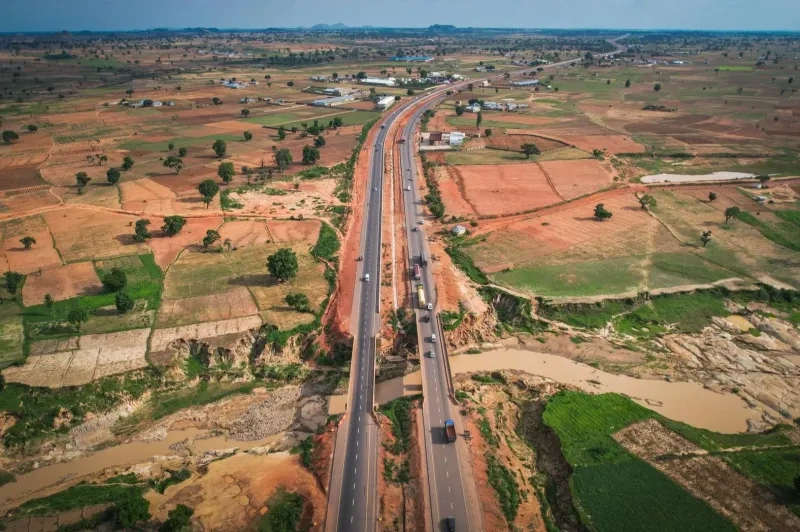
Modern infrastructure depends heavily on durable, efficient, and cost-effective road networks, and asphalt mixing plants have become a central force behind this transformation. As urbanization accelerates and transportation demands continue to rise, governments and private contractors are investing in advanced road construction technologies that can deliver consistent quality at scale. Asphalt mixing plants play a critical role in meeting these expectations by producing high-performance asphalt mixtures that support safer, smoother, and longer-lasting roads Kenya Road Infrastructure Project.
An asphalt mixing plant is a specialized facility designed to combine aggregates, bitumen, fillers, and other additives in precise proportions to create asphalt for paving projects. The accuracy and automation involved in modern plants allow contractors to maintain strict quality standards throughout production. This consistency is essential for highways, airport runways, industrial roads, bridges, and urban streets where pavement performance directly affects transportation efficiency and public safety.
One of the primary reasons asphalt mixing plants are shaping modern road construction is their ability to increase productivity. Traditional road-building methods often relied on labor-intensive mixing techniques that lacked precision and required significant time. Today’s asphalt plants are equipped with advanced control systems that automate the entire process, from material feeding to temperature regulation and final mixing. This automation enables faster project completion while reducing operational errors and material waste.
The demand for high-capacity infrastructure projects has also driven innovation in asphalt plant technology. Continuous and batch mixing plants now offer flexible production capacities suited to both small-scale and large-scale developments. Contractors can produce customized asphalt mixes tailored to specific environmental conditions, traffic loads, and project requirements. This flexibility improves road durability and ensures better performance under varying climates and usage patterns.
Environmental sustainability has become another major factor influencing modern road construction, and asphalt mixing plants are evolving to support greener practices. Many advanced plants are designed with energy-efficient burners, dust collection systems, and recycling capabilities that minimize environmental impact. Reclaimed asphalt pavement, commonly known as RAP, is increasingly being reused in asphalt production, reducing the need for virgin materials and lowering construction costs. By incorporating recycled materials into new pavement mixes, asphalt plants contribute to sustainable infrastructure development without compromising quality.
Energy efficiency within asphalt plants has improved significantly over the years. Manufacturers are integrating smart technologies that monitor fuel consumption, optimize heating processes, and reduce emissions. Warm mix asphalt technology, for example, allows asphalt production and paving at lower temperatures compared to conventional hot mix methods. This innovation decreases fuel usage, lowers greenhouse gas emissions, and creates safer working conditions for construction crews.
Modern road construction projects require precision engineering, and asphalt mixing plants help achieve that precision through advanced digital controls and real-time monitoring systems. Operators can analyze moisture content, aggregate gradation, mixing temperatures, and binder quality with exceptional accuracy. This level of control improves pavement uniformity and reduces the risk of premature road failures such as cracking, rutting, and potholes. As a result, roads built with properly produced asphalt mixtures tend to require less maintenance over their lifespan.
The integration of smart technologies into asphalt plants is also transforming project management and operational efficiency. Many facilities now use computerized systems connected to cloud-based platforms for remote monitoring, diagnostics, and production analysis. These systems provide valuable data that helps contractors optimize workflows, reduce downtime, and improve decision-making. Predictive maintenance features can identify equipment issues before major failures occur, minimizing costly interruptions during large infrastructure projects.
Another important advantage of asphalt mixing plants is their mobility and adaptability. Mobile asphalt plants have become increasingly popular for remote construction sites and temporary projects. These portable units can be transported and installed quickly, allowing contractors to produce asphalt near the project location. This reduces transportation costs, shortens delivery times, and maintains asphalt quality by minimizing heat loss during transit. Mobile plants are especially valuable in rural road development, mining operations, and emergency infrastructure repairs.
Asphalt mixing plants also support economic growth by enabling faster and more reliable transportation infrastructure. Well-constructed roads improve connectivity between cities, industrial zones, ports, and rural communities. Efficient transportation systems facilitate trade, reduce vehicle operating costs, and enhance overall economic productivity. In many developing regions, investment in asphalt production technology is directly linked to national infrastructure expansion and long-term economic planning.
Safety is another area where asphalt mixing plants influence modern road construction. High-quality asphalt mixtures contribute to smoother road surfaces, improved skid resistance, and better water drainage. These characteristics reduce accident risks and enhance driving comfort for motorists. Modern asphalt technologies can also support specialized pavement solutions such as noise-reducing surfaces, high-friction roads, and weather-resistant pavements designed for extreme climates.
The growing emphasis on infrastructure resilience has further increased the importance of advanced asphalt production. Roads today must withstand heavier traffic volumes, climate-related stress, and changing environmental conditions. Asphalt mixing plants enable engineers to develop specialized mixes that offer enhanced resistance to heat, moisture, and heavy loads. Polymer-modified asphalt and other innovative additives are helping create roads with longer service lives and reduced maintenance requirements.
Global infrastructure trends indicate that the demand for efficient asphalt production will continue to rise. Rapid urban expansion, smart city initiatives, and increased investment in transportation networks are pushing the construction industry toward more advanced and sustainable solutions. Asphalt mixing plants are at the center of this evolution, combining engineering precision, environmental responsibility, and production efficiency to meet the growing expectations of modern infrastructure development.
As technology continues to advance, asphalt mixing plants are expected to become even more intelligent, sustainable, and efficient. Automation, artificial intelligence, and data-driven optimization will likely redefine how asphalt is produced and applied in future construction projects. These innovations will not only improve road quality but also reduce environmental impact and operational costs, making asphalt plants an indispensable part of the future of global transportation infrastructure.