
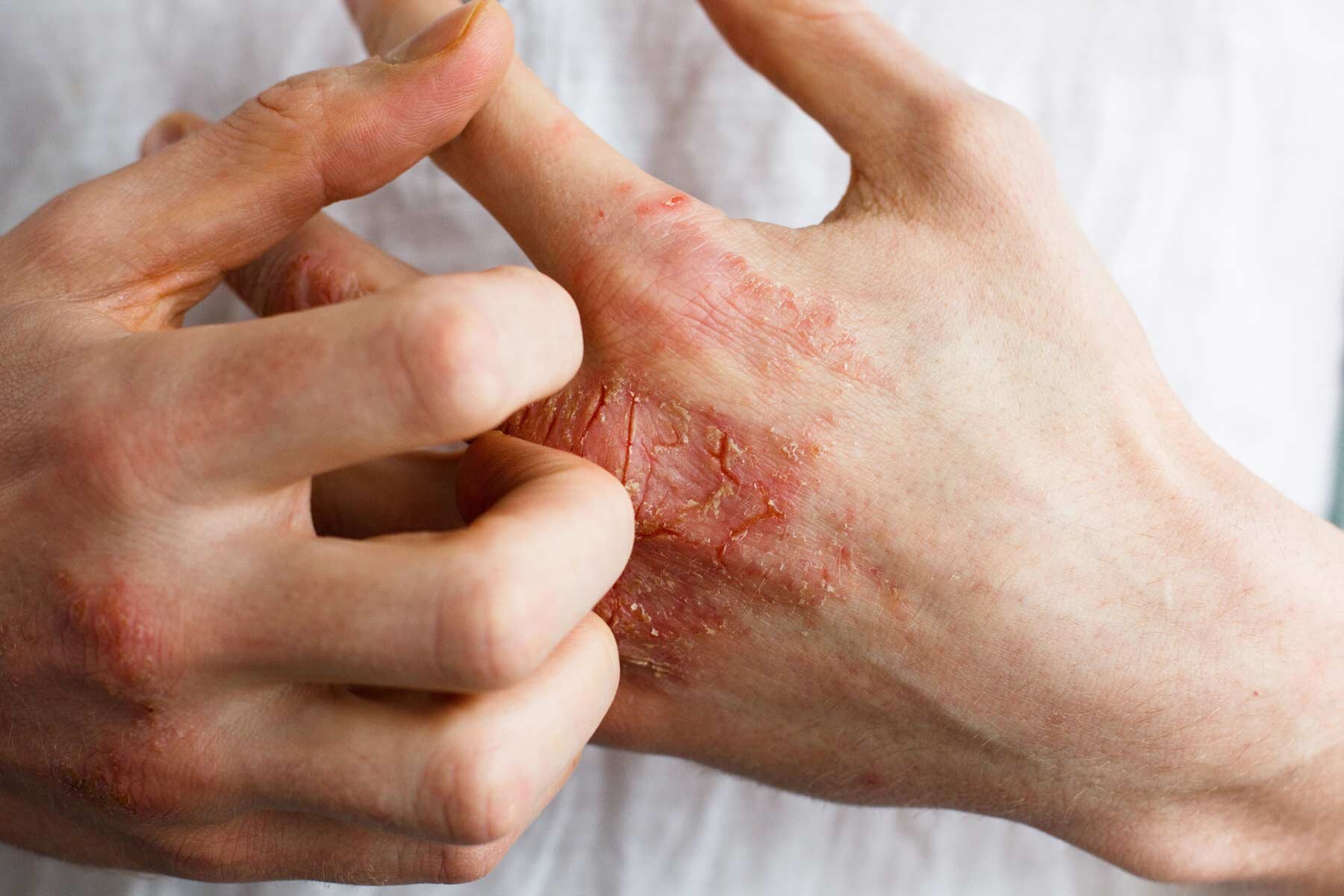
Eczema, also known as atopic dermatitis, is a common skin condition that affects millions of people worldwide. Characterized by red, itchy, and inflamed skin, 濕疹中醫香港 can range from mild to severe and can impact individuals of all ages. While it is most commonly seen in children, adults can also experience eczema flare-ups. The condition is chronic, meaning it tends to persist over time with periods of flare-ups and remissions.
In this article, we’ll explore the causes, symptoms, triggers, and treatment options for eczema.
What is Eczema?
Eczema is a condition where the skin becomes inflamed, leading to irritation, redness, swelling, and often itching. This condition can affect any part of the body, but it is commonly found on the hands, feet, face, and behind the knees or elbows. In some cases, eczema can lead to skin infections due to scratching, which breaks the skin's surface.
Eczema is considered a chronic condition, though its intensity can fluctuate. While it may not be curable, with proper management, most people can lead normal lives.
Causes of Eczema
The exact cause of eczema is still not entirely understood, but it is believed to be a result of a combination of genetic and environmental factors. Some of the primary factors include:
-
Genetic Predisposition: Eczema often runs in families, which suggests that genetics play a significant role. Individuals with a family history of eczema, asthma, or hay fever are at higher risk of developing the condition.
-
Immune System Dysfunction: Eczema is considered an autoimmune disorder, where the body’s immune system overreacts to certain triggers, causing inflammation in the skin. In people with eczema, the immune system might react more intensely to environmental stimuli, leading to skin flare-ups.
-
Skin Barrier Deficiency: The skin barrier in people with eczema is often weakened, allowing moisture to escape and irritants to enter. This can make the skin more sensitive to environmental factors like allergens and pollutants.
Symptoms of Eczema
Eczema symptoms can vary depending on the severity of the condition. Some of the most common symptoms include:
-
Itching: The itchiness associated with eczema is often intense and persistent, which can lead to scratching that worsens the condition.
-
Red, inflamed skin: Inflammation of the skin often causes redness, swelling, and visible irritation.
-
Dry, cracked skin: The skin becomes dry and may crack, causing discomfort and increasing the risk of infection.
-
Rashes: Eczema rashes are often bumpy, with areas of scaling or thickening in the affected areas.
-
Blisters: In severe cases, small fluid-filled blisters can develop and rupture, causing oozing and crusting.
The severity and appearance of eczema can differ depending on age, with infants often experiencing eczema in the form of red, crusty patches on the scalp and face, while older children and adults may develop eczema on their arms, legs, and the folds of their skin.
Triggers of Eczema
Although the exact causes of eczema are unclear, several environmental factors can trigger flare-ups or worsen symptoms. These triggers may vary from person to person but commonly include:
-
Allergens: Pollen, dust mites, pet dander, and mold can aggravate eczema symptoms.
-
Irritants: Harsh soaps, detergents, and fragrances in lotions or household products may irritate the skin.
-
Weather: Extremes in weather, such as dry air or high humidity, can dry out the skin and trigger eczema flare-ups.
-
Stress: Emotional stress and anxiety are known to trigger or worsen eczema in some individuals.
-
Infections: Skin infections or illnesses like the common cold or flu can make eczema symptoms worse.
-
Hormonal changes: Hormonal fluctuations, especially during pregnancy or menstruation, can also impact eczema severity.
Treatment Options for Eczema
While there is no cure for eczema, various treatments can help manage symptoms, reduce flare-ups, and improve quality of life. Treatment plans are typically individualized depending on the severity of the condition, the person’s age, and how eczema impacts daily life.
-
Moisturizers: One of the most essential parts of eczema treatment is keeping the skin hydrated. Thick, emollient-rich moisturizers or ointments help restore the skin’s moisture barrier, reducing dryness and irritation. It is important to moisturize regularly, particularly after bathing.
-
Topical Steroids: Corticosteroid creams or ointments are commonly prescribed to reduce inflammation and alleviate itching. They are available in various strengths, and doctors will recommend the appropriate one based on the severity of eczema.
-
Topical Calcineurin Inhibitors: These medications, such as tacrolimus and pimecrolimus, help control inflammation and are used as an alternative to steroids for sensitive areas like the face and eyelids.
-
Antihistamines: Oral antihistamines may be recommended to reduce itching, especially if the symptoms are triggered by allergies or if the itching is interfering with sleep.
-
Phototherapy: Ultraviolet (UV) light therapy may be used for severe cases of eczema that don't respond to other treatments. This therapy involves exposing the skin to controlled amounts of UV light, which can help reduce inflammation.
-
Biologic Drugs: In more severe cases, biologic medications like dupilumab (Dupixent) may be used to target the immune system and reduce eczema flare-ups. These treatments are typically reserved for patients with moderate to severe eczema.
-
Lifestyle Modifications: Avoiding known triggers, managing stress, and wearing soft, breathable fabrics like cotton can help prevent flare-ups. For individuals with food allergies, eliminating specific allergens from the diet may be necessary.
-
Infection Treatment: In some cases, eczema flare-ups can lead to secondary bacterial or viral infections. If this occurs, antibiotics or antiviral medications may be prescribed.
Managing Eczema in Children
Eczema is particularly common among infants and young children, and managing the condition in children requires special care. It’s essential to create a moisturizing routine early and minimize exposure to potential triggers. Parents should also make sure children avoid scratching, as this can worsen the condition and lead to skin infections. Gentle, fragrance-free skincare products are recommended, and sometimes a pediatric dermatologist may be consulted for more severe cases.
Conclusion
Eczema can significantly impact an individual’s quality of life, but with appropriate treatment and management, the condition can be controlled effectively. Early intervention, proper skincare, and understanding one’s triggers are key to living comfortably with eczema. If you or someone you know is struggling with eczema, consulting a healthcare provider for a tailored treatment plan is crucial to reducing flare-ups and maintaining healthy skin.