

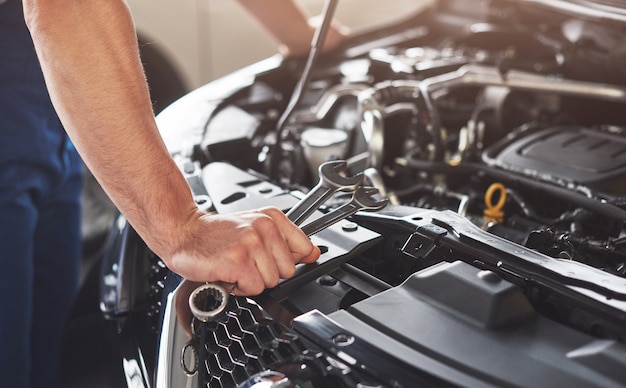
Car services are an integral part of owning and maintaining a vehicle. Regular servicing ensures that your car runs smoothly, efficiently, and safely. Whether you're driving a brand-new car or a well-loved older model, keeping up with scheduled services helps avoid expensive repairs down the line and enhances the lifespan of the vehicle. In this article, we’ll explore what car services involve, why they are important, and what types of services every car owner should consider.
What Is Car Service?
Car servicing refers to the routine maintenance and inspection of a vehicle to ensure that it is functioning correctly and efficiently. It involves checking, repairing, or replacing various parts of the car, such as the engine, brakes, tires, and fluids, depending on the specific needs of the vehicle.
There are two primary types of car service: interim services and full services.
-
Interim Service: This is a basic, more frequent check-up (typically every 6,000 miles or 6 months). It often includes checking oil levels, replacing air filters, and ensuring that the car is roadworthy.
-
Full Service: A more thorough check-up that’s usually done every 12,000 miles or once a year. It covers a more detailed inspection, including the brakes, suspension, and exhaust system, in addition to the checks covered by an interim service.
Why Regular Car Services Are Important
-
Preventing Breakdowns: One of the primary benefits of regular car services is preventing sudden breakdowns. By identifying potential issues early, you can address them before they become serious problems that leave you stranded on the side of the road.
-
Safety: Regular checks on critical safety systems such as brakes, tires, lights, and steering ensure your car remains safe to drive. Car services can detect worn-out brake pads, tire wear, or other dangerous issues, which might otherwise go unnoticed.
-
Cost Savings: Though car servicing requires an upfront cost, it can save you money in the long run. Proactive maintenance helps avoid major repairs that could cost hundreds or even thousands of dollars. For instance, replacing the engine oil regularly can prevent engine failure, which is much more expensive to repair than routine oil changes.
-
Enhances Car Performance: Routine servicing ensures that your car runs optimally. It can improve fuel efficiency, smoothen the ride, and ensure the overall performance of the car, making it a more enjoyable driving experience.
-
Boosting Resale Value: Keeping your car in good working order through regular services helps maintain its value. A well-serviced car is often worth more when it’s time to sell or trade it in.
Common Car Services
-
Oil Change: Regular oil changes are one of the most essential car services. Oil lubricates the engine and prevents it from overheating or seizing up. Over time, the oil breaks down and needs to be replaced to keep the engine running smoothly.
-
Brake Checks: Brakes are a crucial safety feature in any car. During a brake check, technicians assess the brake pads, fluid levels, and overall braking system to ensure they’re functioning properly.
-
Tire Rotation and Balancing: Tires are essential for road grip and safety. Regularly rotating and balancing tires ensures even wear, which can prevent premature tire replacements and improve fuel efficiency.
-
Fluid Checks and Top-Ups: Fluids like coolant, brake fluid, and transmission fluid need to be maintained at appropriate levels to ensure the car operates efficiently. Low levels of any essential fluid can cause major damage to the vehicle.
-
Air Filter Replacement: The air filter prevents dirt, dust, and debris from entering the engine. If it becomes clogged, it can reduce engine performance and fuel efficiency. Replacing the air filter as needed can keep the engine running smoothly.
-
Battery Check: A healthy battery is critical for starting your car and powering electrical systems. Regularly checking the battery and ensuring it’s charged and free from corrosion can prevent starting issues.
-
Suspension and Steering Check: Over time, the suspension and steering system can wear down, affecting the comfort and safety of your ride. Technicians will inspect components like shock absorbers and steering racks for any damage.
-
Exhaust System Inspection: A faulty exhaust system can negatively affect the car’s emissions and overall performance. Regular inspections help keep the exhaust system functioning correctly, improving fuel efficiency and reducing harmful emissions.
How to Choose a Good Car Service Provider
-
Reputation: Look for service centers with a strong reputation for honesty and quality work. Online reviews, word-of-mouth recommendations, and professional certifications can help gauge the reliability of a service provider.
-
Certified Technicians: Ensure that the mechanics or technicians are certified by relevant industry bodies, such as the National Institute for Automotive Service Excellence (ASE). Certified professionals are more likely to provide high-quality car hire and ensure that your car is in good hands.
-
Transparency and Communication: A good car service provider should offer clear communication about the work required and the costs involved. You should feel confident that they will only recommend necessary services and explain any issues with your vehicle in detail.
-
Price: While price shouldn't be the only factor, it’s important to find a service provider who offers fair and competitive pricing. Be wary of providers who offer unusually low prices, as this could indicate subpar work or use of low-quality parts.
-
Warranty on Work: Many reputable service providers offer warranties on the work they perform, giving you peace of mind that they stand behind their repairs and services.
Conclusion
Regular car services are essential for the safety, performance, and longevity of your vehicle. While car servicing may seem like an unnecessary expense, it ultimately saves you money by preventing costly repairs and breakdowns. Keeping up with routine maintenance ensures that your car runs smoothly, is safer to drive, and retains its value over time. So, make sure to consult your owner’s manual, schedule regular services, and choose a trusted car service provider to ensure your vehicle remains in top condition.
You said:
one more unique article
ChatGPT said:
The Importance of Regular Car Services: Keeping Your Vehicle in Top Shape
Owning a car is a significant responsibility, and part of that responsibility involves maintaining it to ensure it operates efficiently, safely, and reliably. Whether you're a daily commuter, a weekend road-tripper, or just someone who uses their car occasionally, regular car services are vital to keeping your vehicle in good working condition. In this article, we'll discuss why regular car services are essential, the different types of car services available, and how maintaining your car can save you time and money in the long run.
Why Regular Car Services Matter
-
Enhanced Safety on the Road: A well-maintained car is a safer car. Regular servicing ensures that critical systems such as brakes, tires, steering, and lights are in optimal condition. For instance, brake pads can wear down over time, leading to decreased stopping power and increased risk of accidents. Regular inspections allow mechanics to spot such issues early, reducing the risk of failure during crucial moments.
-
Preventing Expensive Repairs: Small problems, if left unaddressed, can turn into larger, more costly issues. For example, a minor coolant leak, if not fixed, can lead to an overheated engine, resulting in severe damage. Routine car services help catch these minor issues early, preventing expensive and complex repairs down the road.
-
Maximizing Fuel Efficiency: A well-serviced car runs more efficiently. Changing engine oil regularly, replacing air filters, and maintaining tire pressure at optimal levels all contribute to better fuel economy. A car that operates at its best will consume less fuel, helping you save money at the pump and reduce your carbon footprint.
-
Increased Longevity: Regular car services can significantly extend the life of your vehicle. A car is a long-term investment, and just like any other machine, it requires maintenance to ensure it operates smoothly for many years. Simple tasks like oil changes, tire rotations, and fluid checks can keep your car running smoothly for hundreds of thousands of miles.
-
Higher Resale Value: If you plan to sell or trade in your vehicle in the future, keeping a detailed record of regular servicing can increase its resale value. A car with a comprehensive service history is more attractive to potential buyers, who will feel more confident in its reliability.
Types of Car Services
There are several types of car services that can be performed, depending on the age of the car, the mileage, and the manufacturer’s recommendations. The two most common types of car services are interim services and full services.
-
Interim Service: An interim service is usually performed every 6,000 miles or every six months, depending on the manufacturer's recommendations. This service is designed for drivers who cover high mileage between services. It typically includes basic checks, such as:
- Checking and topping up engine oil levels
- Replacing or cleaning air filters
- Checking tire pressures and tread depths
- Inspecting lights, wipers, and washers
- Inspecting brakes and exhaust system
Interim services are ideal for those who drive their car regularly and want to ensure it stays roadworthy without the need for a more comprehensive check.
-
Full Service: A full service is more in-depth and usually performed every 12,000 miles or once a year, depending on the car’s usage. This service covers everything included in an interim service, plus additional checks, such as:
- Replacing spark plugs and fuel filters
- Replacing cabin air filters
- Checking and flushing the coolant and brake fluid
- Inspecting the suspension and steering components
- Checking the battery and electrical systems
A full service is necessary to maintain the overall health of your vehicle and prevent larger issues from developing over time.
Key Components Checked During a Car Service
Several components of a car are checked and maintained during regular servicing. Here are some of the critical areas that are addressed:
-
Engine Oil and Oil Filter: Regular oil changes are crucial to keeping your engine running smoothly. Oil lubricates the engine’s moving parts, reducing friction and preventing overheating. Over time, the oil becomes contaminated and loses its effectiveness. Changing the oil and replacing the oil filter helps the engine run more efficiently and prevents long-term damage.
-
Brakes: The brake system is essential for your safety on the road. During a car service, the brake pads, rotors, and fluid are checked. Worn-out brake pads can lead to longer stopping distances and potential brake failure, which is why this check is so important.
-
Tires: Tires wear down over time and can affect the safety and performance of the vehicle. Regular tire rotations ensure even tire wear, and tire pressure checks are crucial for maintaining optimal fuel efficiency. Worn or underinflated tires can increase the risk of accidents, so regular tire maintenance is key.
-
Battery: A car’s battery is responsible for starting the engine and powering electrical systems. Regular inspections ensure that the battery is in good condition and that the terminals are free from corrosion. A weak or failing battery can leave you stranded, so checking its health during each service is essential.
-
Transmission and Fluids: Transmission fluid helps the car’s gears shift smoothly. Checking and replacing transmission fluid during a service can prevent gear slippage or transmission failure. Other essential fluids, such as coolant, power steering fluid, and brake fluid, are also inspected to ensure proper function.
-
Air Filters: The air filter prevents dirt and debris from entering the engine, ensuring proper airflow. Clogged air filters can reduce engine efficiency and fuel economy, so they should be replaced regularly.
-
Suspension and Steering: Over time, the suspension and steering components can wear down, affecting the car’s ride quality and handling. Regular servicing includes checking the suspension system for any signs of wear, such as worn-out shocks or struts, and ensuring that the steering system is functioning correctly.
How to Choose the Right Service Provider
When it comes to selecting a car service provider, the choice can be overwhelming. However, a good service provider should have the following qualities:
-
Experience and Certification: A reputable service provider should have certified mechanics with experience in the type of car you drive. Look for certifications such as those from the National Institute for Automotive Service Excellence (ASE), which ensures the technician has the necessary training.
-
Transparent Pricing: Avoid service providers who offer excessively low prices, as this could indicate poor-quality work or hidden fees. A trustworthy provider will offer clear pricing with an upfront estimate of the work to be done.
-
Customer Reviews and Recommendations: Customer reviews and word-of-mouth referrals are great ways to gauge the quality of a service provider. Check online reviews, and ask friends or family for recommendations.
-
Warranty on Work: A reputable service provider should offer a warranty on their work. This means that if a problem arises after the service, they will fix it at no extra charge.
Conclusion
Regular car services are an essential part of responsible vehicle ownership. Not only do they help ensure your safety, but they also save you money by preventing major repairs, increasing fuel efficiency, and prolonging the life of your car. By staying on top of your car’s service schedule and choosing a reputable service provider, you’ll enjoy a smooth, safe, and cost-effective driving experience for years to come. Don’t wait for problems to arise—schedule regular services and keep your car running at its best.