
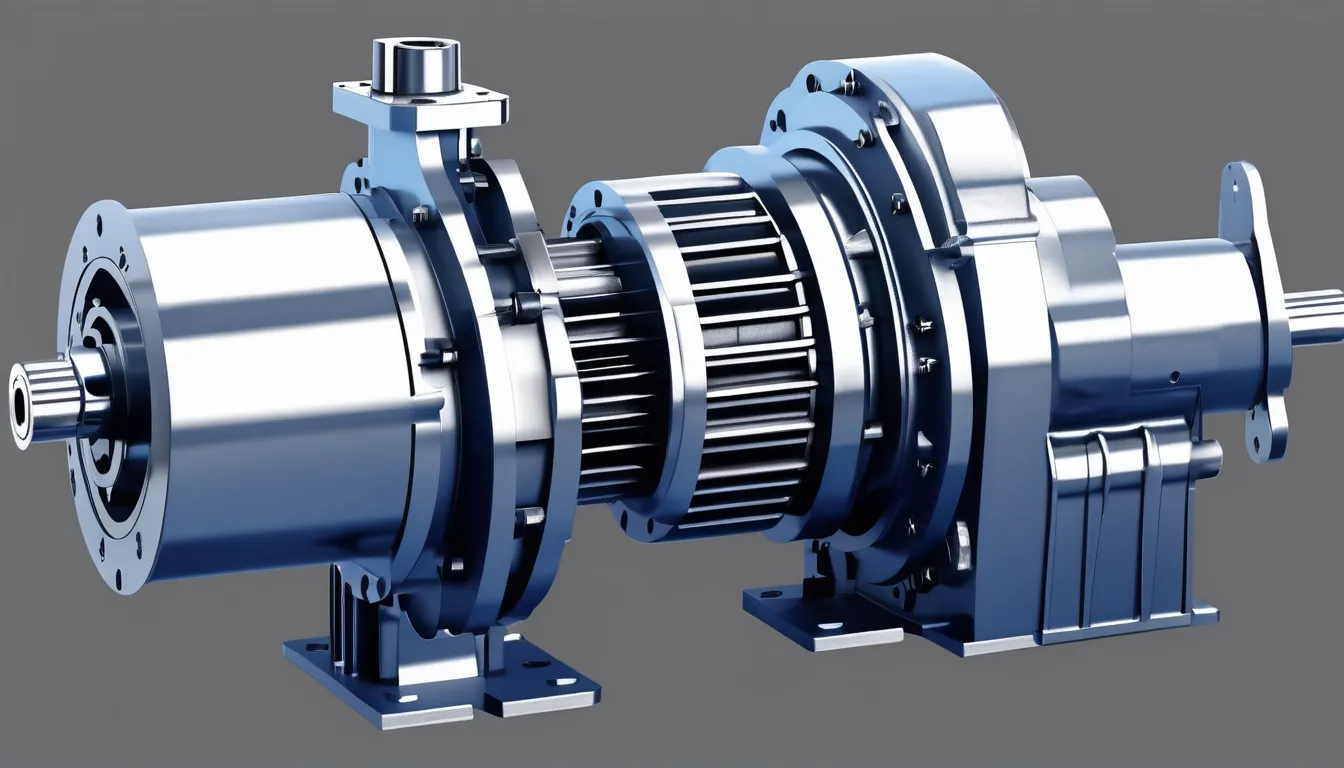
As you consider the future of industrial gearbox manufacturing, you’ll notice several key trends shaping the landscape for the coming year. The integration of automation and robotics promises to streamline production processes, while sustainability efforts push for eco-friendly practices. Advanced materials are set to enhance durability, and the rise of IoT technologies offers real-time monitoring capabilities. Furthermore, the demand for customization is compelling manufacturers to adopt more flexible solutions. But what does this mean for your operations and strategy?
Automation and Robotics Integration
In today’s industrial landscape, integrating automation and robotics into gearbox manufacturing is transforming how you streamline production processes. By embracing these technologies, you can enhance efficiency, reduce human error, and speed up production times.
Automated systems take over repetitive tasks like assembly and quality checks, allowing your workforce to focus on more complex operations that require critical thinking and problem-solving skills.
You’ll find that robotics can handle intricate tasks with precision that often surpasses human capabilities, ensuring consistent quality in every industrial gearbox manufacturer produced. This integration not only boosts productivity but can also lower operational costs in the long run.
With data analytics and machine learning, you can monitor performance in real-time, making necessary adjustments to optimize production flow.
Moreover, automation enhances workplace safety by taking on hazardous tasks, reducing the risk of injury for your employees.
As you adopt these advanced technologies, you’ll likely see a significant return on investment, making your manufacturing processes more competitive.
In a market that demands speed and quality, leveraging automation and robotics is becoming essential for success in gearbox manufacturing.
Sustainable Manufacturing Practices
Embracing sustainable manufacturing practices is no longer just an option; it’s a necessity for gearbox manufacturers looking to thrive in today’s market. By adopting eco-friendly techniques, you not only reduce your environmental footprint but also appeal to a growing base of environmentally conscious customers.
Start by assessing your energy consumption and seek ways to optimize it. Implementing energy-efficient machinery and utilizing renewable energy sources can significantly lower your operational costs.
You should also focus on waste reduction by implementing recycling programs and reusing materials whenever possible. This not only helps the planet but can also improve your bottom line.
In addition, consider the entire lifecycle of your products. By designing gearboxes that are easier to disassemble and recycle, you’ll not only meet regulatory standards but also enhance your brand’s reputation.
Training your workforce on sustainable practices ensures everyone is aligned with your green goals.
Advanced Material Innovations
As manufacturers adopt sustainable practices, they’re also turning to advanced material innovations to further enhance efficiency and performance. You might notice a shift towards lighter, stronger materials like carbon fiber and advanced composites. These materials not only reduce the weight of gearboxes but also improve their durability and resistance to wear and tear. This means longer service life and less downtime for maintenance.
Additionally, you’ll see a rise in the use of high-performance alloys. These alloys are engineered to withstand extreme conditions, offering better heat resistance and corrosion protection. By integrating such materials, manufacturers can create gearboxes that perform reliably in harsh environments, which is crucial for industries like mining and oil extraction.
Moreover, manufacturers are investing in additive manufacturing technologies. This allows for the production of complex geometries that traditional methods can’t achieve, leading to optimized designs that maximize efficiency.
With these innovations, you’re likely to see gearboxes that not only perform better but are also easier to produce, reducing waste in the process. Embracing these advanced materials is key to staying competitive in the evolving industrial landscape.
IoT and Smart Technologies
The integration of IoT and smart technologies is transforming industrial gearbox manufacturing, making processes more efficient and responsive. You’re likely seeing advancements in real-time data collection and analysis, which help you monitor machinery performance and predict maintenance needs before issues arise. This proactive approach not only minimizes downtime but also extends the lifespan of your gearboxes.
With smart sensors embedded in gearboxes, you can gather crucial metrics, such as temperature, vibration, and load conditions. This data is then transmitted to centralized systems, allowing you to make informed decisions quickly. You’ll find that these insights lead to optimized operational efficiency and reduced energy consumption.
Additionally, IoT allows for remote monitoring, enabling you to track the performance of gearboxes from anywhere. This flexibility means you can respond to anomalies more swiftly, thereby improving overall productivity.
As these technologies evolve, the potential for automation in your manufacturing process becomes increasingly significant, further streamlining operations.
Incorporating IoT and smart technologies into your gearbox manufacturing not only enhances performance but also positions your business to adapt to future industrial challenges. Embracing these tools is essential for staying competitive in today’s market.
Customization and Flexibility
In a rapidly evolving market, customization and flexibility have become crucial in industrial gearbox manufacturing. As you navigate through this landscape, you’ll notice that customers increasingly demand solutions tailored to their specific needs. Standard products simply won’t cut it anymore; businesses want gearboxes designed for unique applications, whether it’s for speed, torque, or environment.
To meet these demands, manufacturers are adopting modular designs that allow for quick adjustments and modifications. This approach not only shortens lead times but also minimizes waste, which is a win-win for your operations.
You’ll find that integrating customizable features, like variable gear ratios or unique mounting options, enhances your product’s appeal and performance.
Moreover, incorporating advanced manufacturing technologies, such as 3D printing, enables you to create prototypes rapidly, allowing customers to visualize their bespoke solutions before full production. This level of engagement fosters trust and strengthens relationships with your clients.
Conclusion
As you look ahead to the coming year, embracing these key trends in industrial gearbox manufacturing will position you for success. By integrating automation and robotics, adopting sustainable practices, utilizing advanced materials, leveraging IoT technologies, and offering customization, you’ll enhance efficiency and meet your clients’ diverse needs. Staying ahead of these trends not only boosts your production capabilities but also ensures you’re contributing to a more sustainable and innovative future in the industry.