
Breastfeeding technology has improved significantly over the years, and one of the most important advancements is noise reduction in modern pumps. Many parents today care not only about performance but also about how discreet and comfortable the pumping experience feels in real life.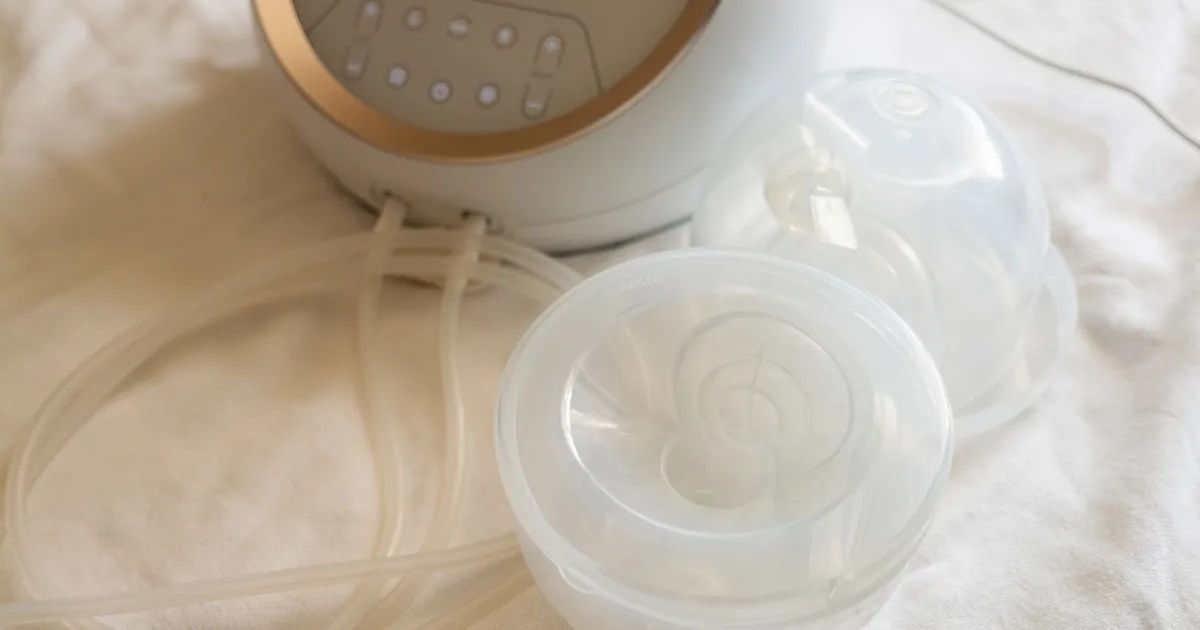
A common question that often comes up is how quiet a breast pump should actually be to fit daily needs.In recent years, devices like the Spectra S1 Pro Breast Pump have become popular because they balance efficiency with quieter operation, making pumping less stressful in shared spaces, at work, or during nighttime sessions.
But noise is not just a comfort feature—it can influence confidence, relaxation, and even milk flow.This guide explains everything you need to know about breast pump noise levels, what is considered “quiet,” and how to choose the right balance for your lifestyle.
Understanding Breast Pump Noise Levels
Breast pump noise is usually measured in decibels (dB). This measurement tells us how loud a sound is perceived.
Most standard breast pumps range between 40 dB and 70 dB, depending on the model, motor type, and suction strength. To understand this better:
- 30 dB → whisper-quiet room
- 40–50 dB → quiet conversation
- 60 dB → normal conversation or background office noise
- 70 dB → vacuum cleaner level
A quieter breast pump generally falls closer to the 40–50 dB range. Many modern designs, including the Spectra S1 Pro Breast Pump, are engineered to stay within this range during normal use.
However, “quiet” does not always mean silent. Even the quietest pumps produce some motor sound and suction noise. The goal is to reduce disruption rather than eliminate sound completely.
Why Quietness Matters in a Breast Pump
Noise might seem like a small detail, but it can significantly affect the pumping experience.
1. Privacy and Discretion
Many parents pump in shared spaces such as offices, nursing rooms, or while traveling. A loud pump can draw unwanted attention. A quieter device allows more privacy and confidence in public settings.
The Spectra S1 Pro Breast Pump is often chosen because its low operational noise makes it easier to use without feeling exposed.
2. Comfort and Relaxation
Stress can affect milk let-down. Loud mechanical sounds may create tension, making it harder for some people to relax. A quieter pump helps create a calmer environment.
3. Nighttime Pumping
Night sessions are common for maintaining supply. A loud motor can disturb sleep for both the parent and the baby. A quieter pump supports a smoother nighttime routine.
4. Workplace Use
For working parents, pumping during breaks requires efficiency and discretion. A low-noise pump ensures minimal disruption in shared office environments.
What Decibel Levels Are Considered Quiet?
To define “quiet,” we need to understand expectations in real-life environments.
- Below 40 dB: Extremely quiet (rare in breast pumps)
- 40–50 dB: Quiet and comfortable (ideal range)
- 50–60 dB: Moderate noise (noticeable but manageable)
- 60+ dB: Loud for private environments
Most high-quality pumps aim for the 40–50 dB range during standard suction cycles. The Spectra S1 Pro Breast Pump typically operates within this range depending on settings and suction level.
It is important to note that suction strength often affects noise. Higher suction may increase sound slightly, even in quiet models.
Types of Noise in Breast Pumps
Not all pump noise is the same. Understanding different types can help you choose the right model.
Motor Noise
This is the sound produced by the internal motor powering the pump. In modern designs like the Spectra S1 Pro Breast Pump, motor noise is minimized through insulation and vibration control.
Suction Noise
Air movement and suction cycles create a rhythmic “whoosh” sound. This is normal and cannot be fully eliminated.
Vibration Noise
Some pumps vibrate against surfaces like tables or beds. This can amplify sound if not properly cushioned.
Mechanical Clicking
Older or low-quality pumps may produce clicking sounds from valves or membranes. High-quality pumps reduce this issue significantly.
Factors That Affect Breast Pump Noise
Several factors influence how loud a breast pump feels in real use.
1. Pump Design
Closed-system pumps tend to be quieter because they prevent air leakage and reduce motor strain. The Spectra S1 Pro Breast Pump uses a closed system, which contributes to its quieter operation.
2. Suction Strength
Higher suction levels often increase noise slightly. However, good pumps maintain consistent sound levels even at stronger settings.
3. Material Quality
Better insulation materials reduce vibration and sound leakage.
4. Surface Placement
Using a pump on a soft surface like a towel or cushion can reduce vibration noise.
5. Maintenance
Dirty valves or worn-out parts can increase noise over time. Regular cleaning helps maintain quiet performance.
Portable vs Hospital-Grade Pumps
Noise levels can differ significantly between portable and hospital-grade pumps.
Portable Pumps
Portable pumps are designed for mobility and convenience. They are generally quieter, lighter, and optimized for personal use.
The Spectra S1 Pro Breast Pump is a popular example of a portable yet powerful device that balances noise control and suction strength.
Hospital-Grade Pumps
These pumps are designed for multiple users and high efficiency. They may produce more noise due to stronger motors.
However, newer hospital-grade models are also improving in noise reduction technology.
How Quiet is Quiet Enough in Real Life?
The definition of “quiet enough” depends on your environment.
At Home
At home, a moderate noise level is usually acceptable. Most users prefer a pump that does not disturb sleeping babies or other family members.
The Spectra S1 Pro Breast Pump performs well in home settings because it stays within a comfortable sound range.
At Work
In an office, quieter pumps are essential. Even moderate noise can feel noticeable in a silent room. A low-decibel pump helps maintain privacy.
While Traveling
Travel environments are unpredictable. A quieter pump ensures flexibility in airports, cars, and hotel rooms.
During Night Use
Night pumping requires the quietest possible operation. Even small differences in decibels can matter when the environment is silent.
Tips to Reduce Breast Pump Noise
Even the quietest pump can become louder if not used properly. Here are practical ways to reduce noise:
Use a Soft Surface
Place your pump on a towel or cushion to reduce vibration noise.
Check Parts Regularly
Replace worn valves or tubing to maintain smooth operation.
Adjust Suction Settings
Using the highest suction is not always necessary. Lower settings can reduce noise without affecting milk output.
Keep the Motor Stable
Avoid placing the pump on uneven surfaces.
Choose Quality Devices
Investing in a well-designed pump like the Spectra S1 Pro Breast Pump can naturally reduce noise issues from the beginning.
Comparing Breast Pump Noise in Popular Models
Different breast pumps vary widely in noise output.
Some older models can sound like a small vacuum cleaner, while modern pumps are much more discreet.
The Spectra S1 Pro Breast Pump is often compared with other premium models because it strikes a balance between suction power and quiet operation.
In general:
- Budget pumps → often louder
- Mid-range pumps → moderate noise
- Premium pumps → quieter, more controlled sound
Noise performance is often one of the key reasons people upgrade to higher-quality models.
Is an Ultra-Quiet Breast Pump Always Better?
Not necessarily.
While quieter pumps are more comfortable in many situations, extremely silent pumps may sometimes compromise:
- Suction strength
- Pumping efficiency
- Durability
The goal is not complete silence but a balanced experience.
The Spectra S1 Pro Breast Pump is a good example of this balance. It is quiet enough for discreet use but still strong enough for effective milk expression.
Choosing the Right Pump Based on Noise
When selecting a breast pump, noise should be considered alongside other factors.
Ask Yourself:
- Will I use it at work?
- Do I need nighttime pumping?
- Do I prefer privacy in public spaces?
- Is suction strength more important than silence?
A pump like the Spectra S1 Pro Breast Pump is often recommended for users who want a mix of portability, efficiency, and low noise.
Key Balance Points:
- Quiet operation
- Reliable suction
- Comfortable design
- Ease of cleaning
Noise should support comfort, not be the only deciding factor.
Conclusion
A quiet breast pump is more than just a convenience—it can improve comfort, privacy, and overall confidence during breastfeeding journeys. While no pump is completely silent, modern technology has made significant progress in reducing noise to manageable levels.
In most cases, a “quiet” breast pump falls within the 40–50 dB range, which is similar to a soft conversation. Devices like the Spectra S1 Pro Breast Pump show how thoughtful engineering can reduce noise while still maintaining strong performance.
Ultimately, the right level of quietness depends on your lifestyle. If you need discretion at work, peaceful nighttime sessions, or flexible travel use, a low-noise pump can make a meaningful difference in your daily routine. However, it should always be balanced with efficiency and comfort.
Choosing the right breast pump is about finding harmony between sound, performance, and usability. When those elements align, the experience becomes smoother, calmer, and far more manageable for everyday life.