
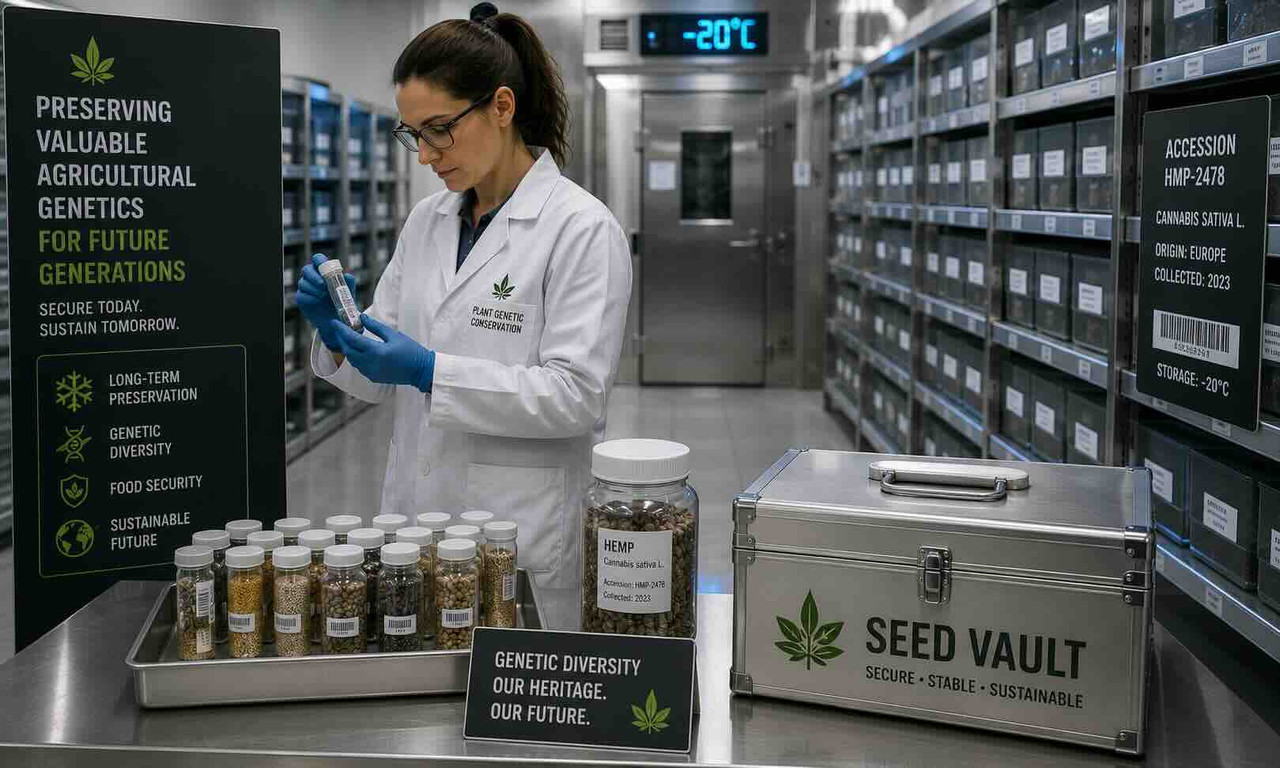
The modern cannabis industry depends heavily on genetic preservation. Behind every successful cultivar lies years, and sometimes decades, of breeding, selection, and refinement. As cannabis breeding continues to evolve, preserving valuable genetic traits has become increasingly important. This responsibility often falls to cannabis seed banks, which serve as living archives of genetic diversity and play a critical role in protecting cultivars for future generations.
Without seed banks, many important cannabis lineages could disappear permanently due to environmental changes, market trends, disease outbreaks, or simple neglect. By maintaining carefully selected genetic collections, seed banks help ensure that valuable traits remain available to breeders, growers, and researchers long into the future.
Many growers discover preserved genetics through collections such as https://www.ministryofcannabis.com/it/semi-di-cannabis-femminizzati/, where breeding work and genetic conservation help maintain access to stable and productive cultivars.
The Importance of Genetic Preservation
Cannabis is an incredibly diverse species. Different populations have developed unique characteristics through natural adaptation, geographic isolation, and selective breeding. These traits may include differences in flowering time, plant structure, cannabinoid production, terpene expression, environmental resilience, and overall growth habits.
When a genetic line disappears, the traits associated with it may also be lost forever. This loss can limit future breeding opportunities and reduce the overall diversity available to cultivators.
Seed banks help prevent this outcome by preserving seeds representing a wide range of genetic backgrounds. Their collections often include modern cultivars, historical breeding lines, heirloom varieties, and other valuable genetic resources.
How Seed Banks Store Cannabis Genetics
Successful preservation depends on proper storage techniques. Cannabis seeds are living biological structures that gradually lose viability if exposed to unfavorable conditions.
To maximize longevity, seed banks typically focus on controlling three key environmental factors:
- Temperature
- Humidity
- Light exposure
Cool, stable environments help slow biological processes within the seed. Low humidity reduces the risk of moisture-related damage, while protection from light helps preserve seed quality over extended periods.
Many professional seed banks periodically test stored seeds to monitor viability and ensure that preserved genetics remain capable of successful germination.
Scientific research into seed preservation and plant genetic conservation continues to improve understanding of long-term storage strategies. Additional information can be found at https://www.sciencedirect.com/science/article/pii/S0926669024001050.
Maintaining Genetic Integrity
Preserving seeds alone is not enough. Seed banks must also maintain genetic integrity to ensure that stored material accurately represents the original population.
Accidental cross-pollination, labeling errors, and poor record keeping can compromise preservation efforts. For this reason, professional seed banks often maintain detailed documentation covering genetic origins, breeding history, and population characteristics.
When seeds are regenerated to replenish stock, breeders carefully manage pollination and selection procedures to minimize unintended genetic changes. This process helps preserve important traits while maintaining population health.
Accurate preservation becomes especially important for cultivars that possess rare or highly desirable characteristics.
The Value of Landraces and Historical Lines
Some of the most important genetic resources maintained by seed banks are landrace populations and historical breeding lines. These genetics often contain traits that may be uncommon in modern commercial cultivars.
Landrace populations developed over long periods within specific geographic regions and frequently display unique adaptations to local environments. Historical breeding lines may preserve cannabinoid profiles, terpene expressions, or growth characteristics that have become less common in contemporary breeding programs.
By maintaining these populations, seed banks provide breeders with access to genetic diversity that can support future innovation. Traits preserved today may become highly valuable tomorrow as cultivation priorities continue to evolve.
This role makes seed banks essential contributors to long-term cannabis breeding progress.
The Future of Cannabis Genetic Conservation
As cannabis legalization expands and breeding activity increases worldwide, the importance of genetic preservation will continue to grow. New cultivars are being developed every year, creating both opportunities and challenges for conservation efforts.
Modern genetic analysis tools are helping seed banks better understand the diversity contained within their collections. These technologies may improve preservation strategies by identifying unique populations and monitoring genetic stability more effectively.
At the same time, traditional conservation practices remain indispensable. Careful storage, accurate documentation, and responsible regeneration continue to form the foundation of successful seed banking operations.
Ultimately, cannabis seed banks serve as guardians of genetic diversity. By preserving valuable traits and maintaining access to important breeding resources, they help ensure that future generations of growers and breeders can continue building upon the achievements of the past. Their work protects not only individual cultivars but also the long-term potential of cannabis breeding itself.