
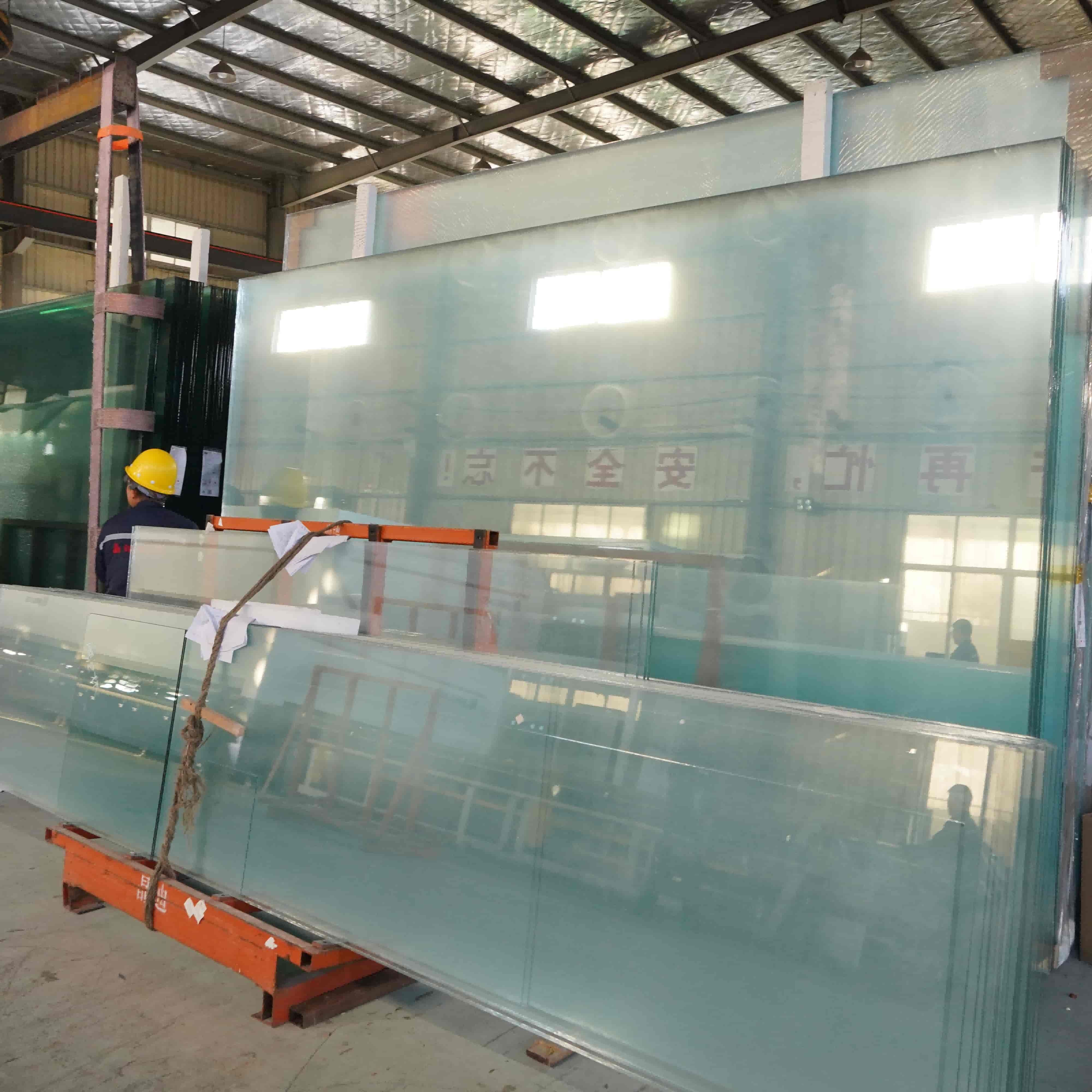
As we move further into the 21st century, coffee paper cup to evolve, offering innovative solutions for some of the most complex and demanding applications across industries. From architecture to electronics, automotive to healthcare, glass has become more than just a building material. In 2025, the glass industry is pushing the boundaries of technology, offering tailored solutions that are revolutionizing how we approach design, functionality, and sustainability. Let’s explore how glass is being utilized in cutting-edge applications, from smart buildings to advanced medical devices.
1. Smart Glass for Energy-Efficient Buildings
One of the most significant advancements in glass technology is the development of smart glass, which can change its properties in response to external stimuli such as light, heat, or electricity. This dynamic form of glass is becoming a game-changer for energy-efficient buildings, where controlling heat gain and light penetration is crucial. In 2025, smart glass is increasingly being integrated into building facades and windows. By adjusting opacity or reflectivity, smart windows can reduce the need for air conditioning and artificial lighting, ultimately lowering energy consumption and reducing carbon footprints.
The latest innovations in electrochromic and thermochromic glass allow windows to darken automatically on hot days and clear up on cooler days. Additionally, some smart glass solutions can even respond to the angle of the sun, offering an adaptive solution that ensures optimal comfort and energy savings.
2. Glass in Automotive Innovation
The automotive industry is another sector where glass has seen remarkable advancements. In 2025, automotive glass is not just about windows; it’s a multifunctional component of the vehicle. The integration of advanced glass technology is enhancing vehicle safety, driving experience, and even sustainability.
One of the standout innovations is the use of laminated and augmented reality (AR) glass in windshields and windows. These windshields can project navigation, traffic alerts, and real-time information directly onto the glass, creating an immersive and hands-free driving experience. This development is especially significant for electric and autonomous vehicles, where driver interaction with the vehicle's interface is minimal.
Furthermore, glass roofs and windows in vehicles are now being produced with highly sophisticated insulating properties, allowing for better climate control inside the cabin, even under extreme temperatures. These improvements contribute to energy efficiency in electric vehicles (EVs) by reducing the reliance on air conditioning and heating systems, thereby extending the driving range.
3. Glass for Healthcare and Medical Devices
In the healthcare sector, glass is finding new roles in medical devices, diagnostics, and drug delivery systems. Glass containers have long been a staple in pharmaceutical packaging, but in 2025, its applications are expanding in more high-tech and specialized areas.
Glass microchips and sensors are now being used in diagnostic tools for real-time disease detection. For example, glass-based biosensors can detect biomarkers for diseases like cancer and diabetes with unprecedented accuracy. This technology is paving the way for more personalized and efficient healthcare treatments, allowing for early diagnosis and treatment customization.
Additionally, glass is being used in advanced drug delivery systems. Glass microcapsules are being engineered to deliver medicine in a controlled manner, ensuring that drugs are released into the bloodstream at the optimal time and dosage. This is particularly useful for chronic conditions that require long-term management.
4. Sustainability and Eco-Friendly Glass Solutions
Sustainability is a key concern in modern manufacturing, and the glass industry is stepping up to meet these demands. In 2025, manufacturers are increasingly focusing on creating glass that is not only durable but also eco-friendly. Recycled glass is being used extensively, and new methods of producing glass with lower carbon emissions are being developed.
For instance, some companies are producing glass using renewable energy sources and waste materials, reducing the environmental impact of production. Additionally, glass that is both recyclable and reusable is becoming more prominent in packaging and construction, further supporting the shift towards a circular economy.
5. Glass in Electronics and Displays
The integration of glass in electronics is becoming more refined, with innovations driving higher functionality and aesthetic appeal. In 2025, glass is a key component in everything from smartphones and tablets to high-definition displays and wearables. The use of ultra-thin, flexible, and durable glass is transforming product designs, allowing for curved and foldable screens that were once considered impossible.
Additionally, glass is being used in innovative touch sensors and displays, enabling enhanced interaction and immersive experiences in smart devices, augmented reality (AR), and virtual reality (VR) applications. The use of glass in OLED screens offers vibrant colors, high contrast, and improved energy efficiency, making it an essential material in the future of electronic displays.
Conclusion
In 2025, glass is no longer just a transparent material—it’s a versatile, high-tech solution with applications across industries. Whether it’s in smart buildings, advanced automotive technology, healthcare devices, or electronics, glass is helping to shape the future of innovation. As technology continues to evolve, the glass industry is positioned to lead the way in providing sustainable, efficient, and cutting-edge solutions for complex applications.