
Hair loss is one of the most frustrating symptoms many women experience with polycystic ovary syndrome (PCOS). While PCOS is commonly linked with irregular periods, weight changes, and hormonal imbalance, it can also affect hair health.
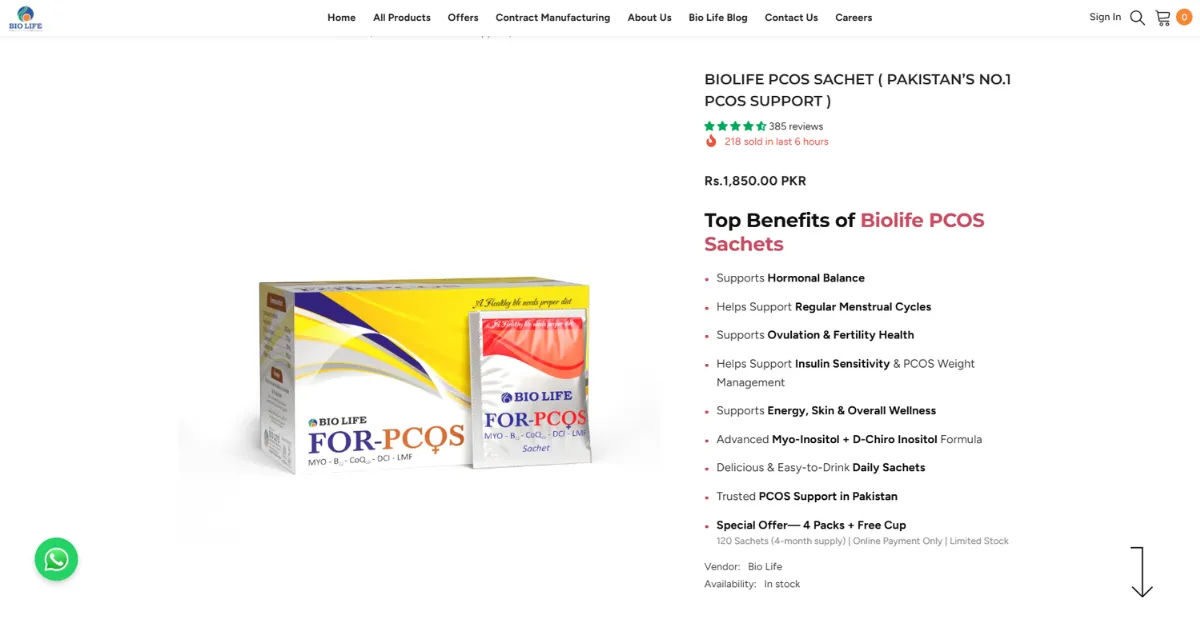
Many women notice thinning hair, excessive shedding, slow hair growth, or unwanted facial hair because of changes in hormone levels. PCOS Supplements are often considered as a natural approach to support healthier hair by addressing some of the internal factors that may contribute to hair problems.
Understanding whether PCOS Supplements can support hair growth requires looking at the connection between PCOS, hormones, nutrition, and scalp health. Hair growth does not depend on a single factor. It involves balanced hormones, proper nutrition, healthy blood circulation, and overall wellness. Certain nutrients may help support the body’s natural processes, but supplements should be used as part of a complete hair care and PCOS management plan.
PCOS and Hair Growth Problems
PCOS is a hormonal condition that affects many women during their reproductive years. It can cause the body to produce higher levels of androgens, which are often called male hormones. Although women naturally have small amounts of androgens, increased levels can influence hair follicles.
One common hair-related issue associated with PCOS is androgenic alopecia. This condition happens when hair follicles become sensitive to hormones called androgens. Over time, the follicles may become smaller, causing thinner strands and slower growth.
Some women with PCOS experience:
-
Thinning hair around the crown area
-
Increased hair shedding during brushing or washing
-
A wider hair parting
-
Reduced hair volume
-
Slow regrowth after hair loss
The relationship between PCOS and hair growth is complex. Hormonal imbalance, insulin resistance, inflammation, stress, and nutrient deficiencies can all play a role. This is why PCOS Supplements are often explored as a supportive option for improving internal health conditions that may affect hair.
How Hormonal Imbalance Affects Hair Health
Hormones control many functions in the body, including the hair growth cycle. Healthy hair usually follows three main phases: growth, resting, and shedding. When hormones become unbalanced, this natural cycle can be disrupted.
Higher androgen levels may shorten the growth phase of hair follicles. As a result, hair may become weaker and fall out more easily. Some women may also experience oily scalp conditions, which can further affect hair quality.
Insulin resistance is another important factor. Many women with PCOS have difficulty using insulin effectively, which may contribute to increased androgen production. Managing insulin balance through lifestyle changes, diet, exercise, and supportive nutrients may help create a healthier environment for hair growth.
PCOS Supplements may contain ingredients that support hormone balance, improve nutrient intake, and help manage certain factors associated with PCOS. However, results vary from person to person because every woman’s hormonal condition is different.
Can PCOS Supplements Help Improve Hair Growth?
PCOS Supplements may support hair growth by providing essential nutrients that the body needs for strong and healthy hair. They do not work like instant hair growth treatments, but they may help address nutritional gaps and support overall wellness.
Hair follicles require vitamins, minerals, proteins, and healthy fats to function properly. When the body lacks important nutrients, hair growth can slow down, and shedding may increase.
Some PCOS Supplements include nutrients such as:
Inositol
Inositol is one of the commonly studied ingredients for PCOS support. It may help improve insulin sensitivity and support hormonal balance. Since insulin resistance can influence androgen levels, improving insulin function may indirectly support healthier hair conditions.
Many women use inositol as part of their PCOS management routine because it supports metabolic health. Better metabolic balance may help reduce some symptoms associated with hormonal imbalance.
Biotin
Biotin is a B vitamin that plays a role in keratin production. Keratin is a protein that forms the structure of hair, skin, and nails.
A biotin deficiency can contribute to weak hair and increased shedding. While most people receive enough biotin through food, individuals with low levels may benefit from additional support.
Vitamin D
Vitamin D is important for many body functions, including healthy hair follicles. Low vitamin D levels have been associated with certain types of hair loss.
Women with PCOS sometimes have lower vitamin D levels, making it an important nutrient to monitor. PCOS Supplements containing vitamin D may help support overall nutrient balance.
Zinc
Zinc contributes to normal hair tissue growth and repair. It also supports healthy scalp function.
A zinc deficiency may lead to increased hair shedding and weaker hair strands. Including zinc through diet or supplements may help maintain healthy hair structure.
Omega-3 Fatty Acids
Omega-3 fatty acids support overall health and may help maintain a healthy scalp environment. They are known for supporting normal inflammatory responses in the body.
A balanced scalp environment is important because healthy follicles require proper nourishment and circulation.
Benefits of Using PCOS Supplements for Hair Support
The potential benefits of PCOS Supplements depend on the ingredients included and the individual’s health needs. They may provide support in several areas related to hair growth.
Supporting Hormone Balance
Hormonal imbalance is one of the main reasons women with PCOS experience hair changes. Certain nutrients may help support healthier hormone regulation.
When hormones are better balanced, hair follicles may receive a more favorable environment for growth. However, supplements alone cannot completely correct severe hormonal issues.
Improving Nutritional Support
Hair growth requires a consistent supply of nutrients. If the body lacks important vitamins and minerals, hair may become weak.
PCOS Supplements can help fill nutritional gaps when combined with a balanced diet. They may provide nutrients that support stronger hair strands and healthier follicles.
Supporting Healthy Hair Cycles
The hair growth cycle depends on many internal processes. Proper nutrition and balanced hormones can support the normal growth phase of hair.
With regular use and healthy lifestyle habits, supplements may contribute to improved hair quality over time.
Important Ingredients to Look for in PCOS Supplements
Choosing the right supplement requires understanding what ingredients may support your specific needs. Not every product works the same way.
Important ingredients often considered for PCOS support include:
-
Myo-inositol
-
D-chiro-inositol
-
Vitamin D
-
Zinc
-
Magnesium
-
Omega-3 fatty acids
-
Antioxidants
-
B vitamins
A good supplement should match your personal health goals. Some women may need support for insulin resistance, while others may focus more on nutrient deficiencies or hormone-related symptoms.
Before starting any new supplement, it is better to discuss your needs with a healthcare professional, especially if you take medication or have other health concerns.
How Long Does It Take to See Hair Growth Results?
Hair growth is a slow process. Many people expect immediate changes, but hair follicles need time to respond.
The hair growth cycle usually takes several months, meaning improvements often require consistent effort. When using PCOS Supplements, noticeable changes may take three to six months or longer depending on the cause of hair loss.
Results may depend on:
-
The severity of hair thinning
-
Hormone levels
-
Nutrient deficiencies
-
Diet quality
-
Stress levels
-
Sleep habits
-
Overall PCOS management
Consistency is important. Taking supplements occasionally is unlikely to provide meaningful support.
Lifestyle Changes That Improve Hair Growth With PCOS
Supplements work best when combined with healthy daily habits. PCOS affects the entire body, so supporting overall health can also support hair quality.
Eat a Nutrient-Rich Diet
A balanced diet provides the foundation for healthy hair. Include:
-
Protein-rich foods
-
Vegetables and fruits
-
Healthy fats
-
Whole grains
-
Nuts and seeds
Protein is especially important because hair is mainly made of keratin, a type of protein.
Manage Blood Sugar Levels
Since insulin resistance is common in PCOS, maintaining balanced blood sugar levels may help support hormonal health.
Choose foods that provide steady energy and avoid excessive intake of highly processed foods and sugary drinks.
Exercise Regularly
Physical activity supports circulation, metabolism, and overall hormonal health. Regular exercise may help improve insulin sensitivity and reduce some PCOS symptoms.
Reduce Stress
Stress can affect the hair growth cycle. High stress levels may increase shedding and make existing hair problems worse.
Practices such as meditation, walking, yoga, and proper sleep can support overall wellness.
Are PCOS Supplements Enough to Stop Hair Loss?
PCOS Supplements can provide nutritional support, but they are not a guaranteed cure for hair loss. Hair problems caused by PCOS often involve multiple factors, including genetics, hormones, lifestyle, and medical conditions.
Some women may need additional treatments alongside supplements. A healthcare provider may recommend options based on the cause and severity of hair loss.
It is important to identify the reason behind hair changes rather than only treating the visible symptoms.
Possible Side Effects and Safety Considerations
Although many supplements are considered safe when used properly, some people may experience side effects.
Possible issues may include:
-
Digestive discomfort
-
Nausea
-
Changes in appetite
-
Allergic reactions
The quality of supplements also matters. Choose products from reliable manufacturers and avoid taking excessive amounts of nutrients.
More is not always better. High doses of certain vitamins and minerals can cause problems instead of improving health.
Common Myths About PCOS and Hair Growth
Myth: Supplements Can Grow Hair Overnight
Hair growth takes time. No supplement can instantly reverse years of hormonal changes or hair damage.
Myth: All Hair Loss in PCOS Is Permanent
Not every case of PCOS-related hair loss is permanent. Early support and proper management may improve hair health.
Myth: Supplements Replace Medical Treatment
PCOS Supplements can support wellness, but they should not replace professional medical advice when treatment is needed.
Tips for Choosing the Right PCOS Supplements
When selecting a supplement, consider:
Check the Ingredients
Look for scientifically researched nutrients that match your needs.
Consider Your Symptoms
Different women experience different PCOS symptoms. Choose products that support your specific concerns.
Avoid Unrealistic Claims
Be careful with products promising dramatic results within a few days or weeks.
Maintain Consistency
Supplements usually require regular use along with healthy habits.
Conclusion
PCOS can affect hair growth through hormonal imbalance, insulin resistance, inflammation, and nutritional challenges. For many women, hair thinning and increased shedding become frustrating symptoms that affect confidence and daily life.
PCOS Supplements may support hair growth by providing important nutrients, supporting hormone balance, and improving overall health. Ingredients such as inositol, vitamin D, zinc, biotin, and omega-3 fatty acids may contribute to a healthier environment for hair follicles.
However, PCOS Supplements are not a quick solution or a replacement for a complete PCOS management plan. Healthy eating, regular exercise, stress management, proper sleep, and medical guidance all play important roles in improving hair health.
Every woman’s experience with PCOS is different. The best approach is to understand the root cause of hair problems and choose solutions that support individual needs. With patience, consistency, and the right combination of lifestyle choices and nutritional support, many women can improve their hair quality and overall well-being.