
Online OCR has transformed the way we convert printed or handwritten documents into editable digital text. A batch Online OCR converter takes this process even further by allowing users to process multiple files at once. Instead of converting one document at a time, Online OCR in batch mode saves time, improves productivity, and simplifies document management for students, professionals, and businesses.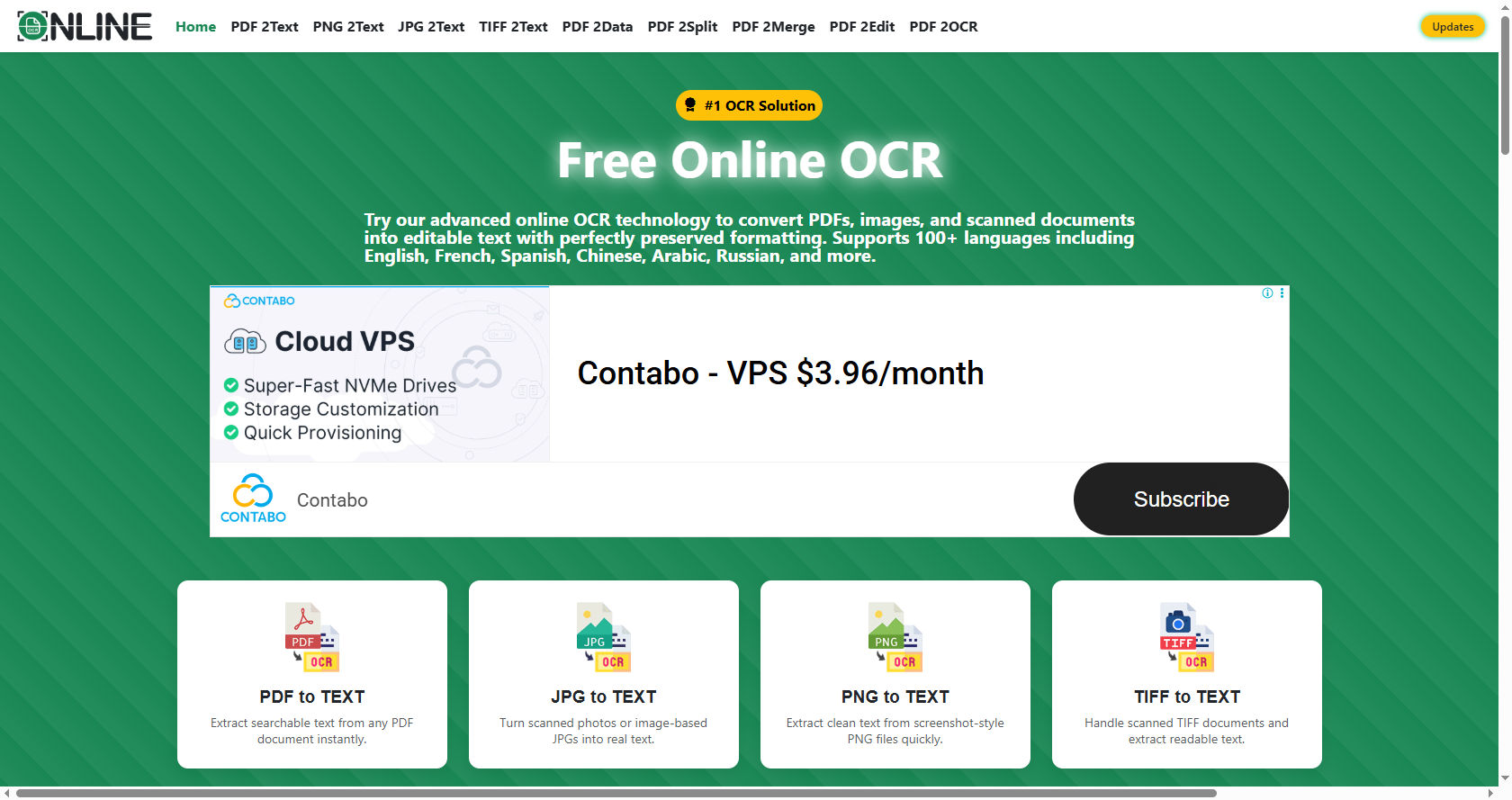
In simple terms, Online OCR stands for Optical Character Recognition performed through a web-based platform. When you upload scanned images or PDF files, Online OCR analyzes the characters in the image and converts them into machine-readable text.
Batch processing means the system applies Online OCR technology to many files simultaneously rather than individually.
This guide explains how a batch converter works, what happens behind the scenes, and why Online OCR has become such an essential tool in the digital age.
Understanding the Basics of OCR Technology
Before exploring batch processing, it is important to understand how Online OCR works at a basic level.
OCR technology identifies letters, numbers, and symbols in images. It compares detected shapes with stored character patterns in its database. When you use Online OCR, the system scans each document, detects text areas, recognizes characters, and converts them into editable formats such as Word or plain text.
Online OCR platforms operate in the cloud. This means you do not need to install special software. The entire recognition process happens on secure servers. Because of cloud computing, Online OCR tools can handle large volumes of data quickly and efficiently.
Traditional OCR software required installation and powerful hardware. Today, Online OCR uses advanced algorithms and artificial intelligence to improve recognition accuracy. This makes it suitable for academic, legal, medical, and business documents.
What Is a Batch Online OCR Converter?
A batch converter is a system that processes multiple files in one session. Instead of uploading and converting documents one by one, batch Online OCR allows users to upload many files at once.
For example, imagine scanning 100 pages of notes. Converting each page individually would take hours. With batch Online OCR, all pages can be uploaded together. The system automatically processes them in sequence.
Batch Online OCR is especially useful for:
-
Businesses digitizing old records
-
Students converting lecture notes
-
Libraries archiving books
-
Companies processing invoices
The main goal of batch Online OCR is efficiency. It reduces manual work and speeds up document conversion.
Step-by-Step: How Batch Online OCR Converter Works
Understanding the step-by-step process makes it easier to see how Online OCR functions in batch mode.
1. File Upload
The first step in batch Online OCR is uploading files. Users select multiple images or PDFs from their device. These files are transferred to secure servers where Online OCR processing begins.
Most Online OCR platforms support formats such as JPG, PNG, TIFF, and PDF. Once uploaded, the system organizes files into a processing queue.
2. Image Preprocessing
Before recognition begins, Online OCR improves image quality. This step may include:
-
Adjusting brightness and contrast
-
Removing noise or background marks
-
Straightening tilted pages
-
Sharpening blurred text
This preprocessing stage is crucial. Clear images increase Online OCR accuracy and reduce errors.
3. Text Detection
Next, Online OCR identifies areas in the document that contain text. The system separates text from images, tables, or graphics. Advanced Online OCR tools use artificial intelligence to recognize columns and paragraphs.
In batch mode, Online OCR performs this detection for every uploaded file automatically.
4. Character Recognition
After detecting text regions, Online OCR analyzes each character. It compares shapes with stored patterns using machine learning models. Modern Online OCR engines can recognize multiple languages and fonts.
Batch Online OCR repeats this recognition process across all files. The system works quickly because cloud servers process multiple documents at once.
5. Text Conversion and Output
Finally, Online OCR converts recognized text into editable formats. Users can download results as:
-
Word documents
-
Excel spreadsheets
-
Searchable PDFs
-
Plain text files
Batch Online OCR often compresses results into a single downloadable folder. This makes it easy to store and organize converted documents.
The Technology Behind Batch Online OCR
Batch Online OCR relies on several advanced technologies.
Artificial Intelligence and Machine Learning
Modern Online OCR tools use machine learning algorithms. These systems learn from large datasets of characters. Over time, Online OCR improves its recognition accuracy.
Artificial intelligence helps Online OCR understand context. For example, it can distinguish between the letter “O” and the number “0” based on surrounding words.
Cloud Computing
Cloud computing allows Online OCR to handle large workloads. When you upload multiple files, servers distribute tasks across different processors. This makes batch Online OCR fast and reliable.
Without cloud support, Online OCR would struggle to process hundreds of pages simultaneously.
Language Processing
Many Online OCR platforms support multiple languages. Language detection algorithms help Online OCR identify which dictionary to use. This improves spelling accuracy in converted documents.
Key Features of Batch Online OCR Converters
Batch Online OCR tools often include features that improve usability and efficiency.
Multi-File Upload
Users can drag and drop several documents into the system. Batch Online OCR processes them together without repeated uploads.
Format Flexibility
A good Online OCR converter supports various input and output formats. This flexibility makes Online OCR useful for different industries.
Automatic Naming and Organization
Batch Online OCR often names files automatically. It may number documents or keep original filenames for easy identification.
Editing Options
Some Online OCR platforms allow users to preview and edit recognized text before downloading. This reduces errors in final documents.
Advantages of Using Batch Online OCR
Batch Online OCR offers many benefits.
Saves Time
Time efficiency is the biggest advantage of Online OCR in batch mode. Instead of processing files individually, users convert entire folders at once.
Improves Productivity
Students and employees can focus on important tasks while Online OCR handles document conversion.
Reduces Manual Typing
Manual typing takes hours and can lead to mistakes. Online OCR automates text extraction, reducing human error.
Easy Accessibility
Since Online OCR works through a browser, it can be accessed from anywhere with an internet connection.
Accuracy Factors in Batch Online OCR
Although Online OCR technology is powerful, accuracy depends on certain factors.
Image Quality
High-resolution scans improve Online OCR performance. Blurry or dark images may reduce recognition accuracy.
Font Style
Clear fonts are easier for Online OCR to recognize. Decorative or handwritten fonts can create challenges.
Language Selection
Choosing the correct language improves Online OCR results. Many tools allow users to select multiple languages before processing.
Clean Layout
Simple document layouts help Online OCR detect text regions correctly. Complex designs may require advanced tools.
Security and Privacy in Online OCR
Security is an important concern when uploading documents. Reputable Online OCR platforms use encryption to protect files during transfer.
Batch Online OCR systems often delete files automatically after processing. This protects sensitive information.
Users should always check privacy policies before using Online OCR services, especially when handling confidential data.
Who Uses Batch Online OCR?
Online OCR is widely used across many fields.
Students
Students convert scanned textbooks and notes using Online OCR to create editable study materials.
Businesses
Companies use Online OCR to digitize invoices, contracts, and reports.
Government Offices
Government departments rely on Online OCR to archive paper records.
Researchers
Researchers use Online OCR to convert historical documents into searchable databases.
How to Choose the Right Batch Online OCR Tool
Selecting the right Online OCR converter depends on your needs.
Consider Accuracy
Look for Online OCR tools with strong reviews about recognition quality.
Check File Limits
Some Online OCR services limit file size or number of uploads. Batch users should select tools that allow large volumes.
Evaluate Speed
Fast processing is essential for batch Online OCR. Cloud-based systems usually perform better.
Review Security Policies
Ensure the Online OCR provider protects user data with encryption and secure storage.
Common Challenges in Batch Online OCR
Despite its benefits, Online OCR may face challenges.
Handwritten Text
Handwriting recognition is more complex than printed text. Some Online OCR tools handle it better than others.
Poor Scans
Low-quality images reduce Online OCR effectiveness.
Complex Layouts
Tables and multi-column designs can confuse Online OCR systems if not properly detected.
Understanding these limitations helps users prepare documents correctly before using batch Online OCR.
Future of Batch Online OCR Technology
The future of Online OCR looks promising.
Artificial intelligence continues to improve recognition accuracy. In the coming years, Online OCR systems may achieve near-perfect precision, even with handwriting.
Integration with other tools is also increasing. Online OCR is now connected with cloud storage platforms and document management systems.
Mobile technology is another area of growth. Smartphone apps use Online OCR to scan and convert documents instantly.
As technology advances, batch Online OCR will become even faster and more reliable.
Practical Example of Batch Online OCR in Action
Imagine a school digitizing exam papers. Staff members scan hundreds of answer sheets. Instead of typing results manually, they upload all scanned files into a batch Online OCR system.
The Online OCR platform processes each document, extracts student information, and converts responses into editable text. Within minutes, teachers can review digital copies.
This example shows how Online OCR simplifies large-scale document processing.
Tips for Getting the Best Results from Batch Online OCR
To maximize Online OCR accuracy, follow these tips:
-
Scan documents at high resolution
-
Ensure proper lighting
-
Select the correct language
-
Use clear fonts
-
Review converted text for minor errors
Preparation improves Online OCR performance significantly.
Comparing Batch Online OCR with Traditional OCR Software
Traditional OCR required installation and manual file handling. Online OCR eliminates these steps.
Batch Online OCR is faster because it runs on powerful cloud servers. Users do not need high-performance computers.
Updates also happen automatically. Online OCR platforms regularly improve algorithms without requiring user action.
Environmental Impact of Using Online OCR
Using Online OCR supports digital transformation. By converting paper documents into digital files, organizations reduce paper usage.
Batch Online OCR helps companies move toward eco-friendly operations. Digital storage saves physical space and protects forests by lowering paper demand.
Conclusion
Batch Online OCR converters have changed the way we handle documents. By combining Optical Character Recognition with cloud computing, Online OCR allows users to process multiple files quickly and efficiently.
The process begins with file upload, followed by image preprocessing, text detection, character recognition, and final conversion. Each step is powered by advanced algorithms and artificial intelligence. In batch mode, Online OCR performs these steps automatically for many files at once.
The advantages are clear. Online OCR saves time, reduces manual typing, increases productivity, and improves document organization. It is widely used by students, businesses, researchers, and government institutions.
However, achieving the best results requires attention to image quality, layout clarity, and language selection. When used correctly, Online OCR delivers accurate and reliable text conversion.
As artificial intelligence continues to evolve, Online OCR technology will become even smarter. Future systems may recognize handwriting more accurately and process documents in real time.
In conclusion, batch Online OCR is a powerful tool that simplifies large-scale document conversion. It combines speed, efficiency, and accessibility. Whether you are a student digitizing notes or a company archiving records, Online OCR provides a practical and modern solution for transforming printed documents into editable digital text.
By understanding how Online OCR works and following best practices, users can fully benefit from this technology. Batch processing ensures that even large document collections can be converted quickly and accurately, making Online OCR an essential part of today’s digital workflow.