

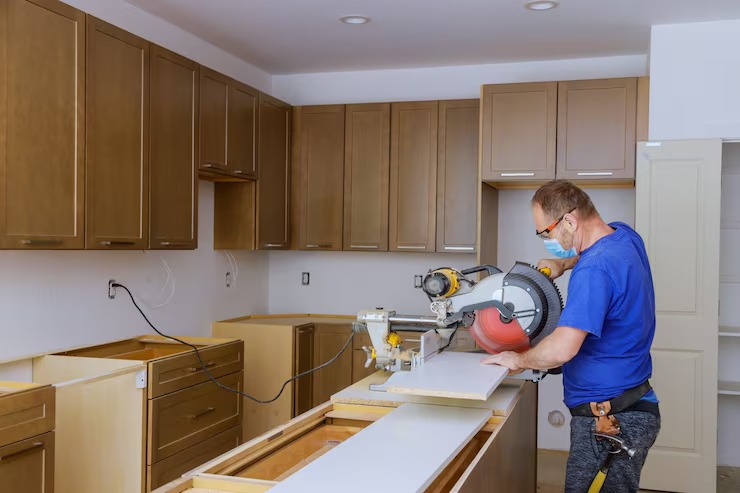
I’ve worked with homeowners across Maryland who want cabinets that actually fit their lives—not just their walls. Custom cabinetry isn’t about luxury for luxury’s sake; it’s about solving daily problems with thoughtful design, durable materials, and skilled craftsmanship. In this guide, I’ll walk you through the exact step-by-step process I use to create custom cabinets in Maryland, from the first conversation to the final installation. If you follow these steps, you’ll know what to expect, what to ask for, and how to get cabinets that last.
Step 1: Clarifying Goals and How You Use the Space
I always start by asking myself—and the homeowner—how the space is truly used. Kitchens, bathrooms, mudrooms, offices, and basements all demand different storage solutions. In Maryland homes, I often see a mix of historic layouts and modern additions, so a one-size-fits-all cabinet rarely works.
Actionable tips:
-
List what you store now and what you plan to store in the next five years.
-
Identify daily frustrations (crowded drawers, wasted corners, awkward heights).
-
Decide what matters most: storage capacity, visual impact, durability, or budget control.
This clarity becomes the foundation for every decision that follows.
Step 2: On-Site Measurement and Evaluation
Next, I visit the home to take precise measurements. In Maryland, older homes often have uneven floors and walls, so accuracy here is non-negotiable. I measure multiple times and evaluate obstacles like plumbing, electrical lines, HVAC vents, and structural quirks.
What I check on-site:
-
Wall straightness and floor level
-
Ceiling height variations
-
Appliance specifications
-
Door swings and traffic flow
These details prevent surprises later and ensure the cabinets fit perfectly without last-minute fixes.
Step 3: Selecting Cabinet Styles That Match the Home
Style isn’t just about looks—it’s about cohesion. I help homeowners choose a cabinet style that complements their Maryland home’s architecture, whether it’s colonial, farmhouse, contemporary, or transitional.
Popular style directions I see include:
-
Shaker cabinets for timeless appeal
-
Flat-panel designs for modern spaces
-
Inset cabinetry for classic elegance
-
Beaded or decorative details for historic homes
The goal is to design cabinets that feel original to the house, not forced into it.
Step 4: Choosing Materials Built for Maryland’s Climate
Maryland’s seasonal humidity changes can affect wood, so material selection is critical. I guide homeowners toward woods and engineered options that balance beauty and stability.
Common material choices:
-
Maple for strength and smooth finishes
-
Oak for visible grain and durability
-
Cherry for rich, aging character
-
High-quality plywood for cabinet boxes
I avoid cheap particleboard in critical areas because it doesn’t hold up long-term. Quality materials are an investment that pays off in longevity.
Step 5: Custom Storage and Functional Features
This is where custom cabinets truly shine. I design storage around real habits, not generic templates.
Functional features I often recommend:
-
Soft-close hinges and drawer slides
-
Pull-out pantry systems
-
Deep drawers for pots and pans
-
Vertical dividers for baking sheets
-
Built-in organizers for utensils and spices
By tailoring storage to how you cook, clean, and live, the cabinets become tools—not obstacles.
Step 6: Design Renderings and Final Layout Approval
Before any wood is cut, I create detailed layouts and visual renderings. This step allows homeowners to see proportions, spacing, and flow.
What I review with clients:
-
Cabinet heights and depths
-
Door and drawer alignment
-
Appliance integration
-
Trim, molding, and end panels
I encourage homeowners to take their time here. Adjustments are easy now and costly later.
Step 7: Finish Selection and Color Matching
Finish choices dramatically affect the final look. I help clients select stains, paints, and protective coatings that align with their style and lifestyle.
Finish considerations:
-
Painted finishes for clean, bright spaces
-
Natural stains to showcase wood grain
-
Durable topcoats for moisture and wear resistance
-
Color consistency with flooring and countertops
I always test samples under the home’s lighting conditions before final approval.
Step 8: Cabinet Fabrication by Skilled Craftsmen
Once everything is approved, fabrication begins. This stage requires precision and patience. Every cabinet is built to the exact specifications agreed upon.
During fabrication:
-
Cabinet boxes are constructed for strength
-
Doors and drawers are carefully aligned
-
Hardware is pre-fitted for accuracy
-
Finishes are applied in controlled environments
This is where craftsmanship makes the difference between average and exceptional cabinets.
Step 9: Pre-Installation Quality Check
Before installation, I inspect each cabinet piece. I look for finish consistency, structural integrity, and accurate dimensions.
Quality checks include:
-
Smooth drawer operation
-
Proper door alignment
-
Clean finish application
-
Secure joints and hardware
Catching issues now ensures a smooth installation day.
Step 10: Professional Installation in the Home
Installation is a meticulous process. In Maryland homes, installers must account for uneven surfaces and unique layouts.
Installation steps:
-
Secure base cabinets and level them
-
Install wall cabinets with proper support
-
Align doors and drawers
-
Add trim, fillers, and molding
A professional installation ensures the cabinets function correctly and look seamless.
Step 11: Final Walkthrough and Adjustments
After installation, I walk through the space with the homeowner. We open every door, test every drawer, and review the final result together.
What I address:
-
Minor alignment tweaks
-
Hardware adjustments
-
Care and maintenance instructions
This step ensures satisfaction and confidence in the finished work.
Step 12: Long-Term Care and Maintenance Guidance
Custom cabinets are built to last, but proper care extends their lifespan.
My maintenance advice:
-
Clean with gentle, non-abrasive products
-
Wipe spills promptly
-
Avoid excessive moisture exposure
-
Periodically check hardware tightness
These simple habits keep cabinets looking new for years.
Why Custom Cabinets Are Worth It in Maryland
I’ve seen how custom cabinets transform homes across Maryland. They maximize space, improve daily routines, and add long-term value. Unlike stock options, custom cabinetry adapts to your home—not the other way around.
If you want to explore professional custom cabinet solutions, you can Meister Builders – Look at the Website to learn more about their approach and craftsmanship.
When you’re ready to discuss your project or ask questions, Meister Builders – Contact us to get started.
Final Thoughts
Creating custom cabinets in Maryland is a detailed process, but when done right, the results are worth every step. From understanding how you live to crafting cabinets that fit your space perfectly, this approach delivers function, beauty, and durability. I believe informed homeowners make the best decisions, and I hope this step-by-step guide helps you move forward with confidence.
If you’re planning a renovation or new build, take your time, ask the right questions, and invest in craftsmanship that will serve you for decades.