
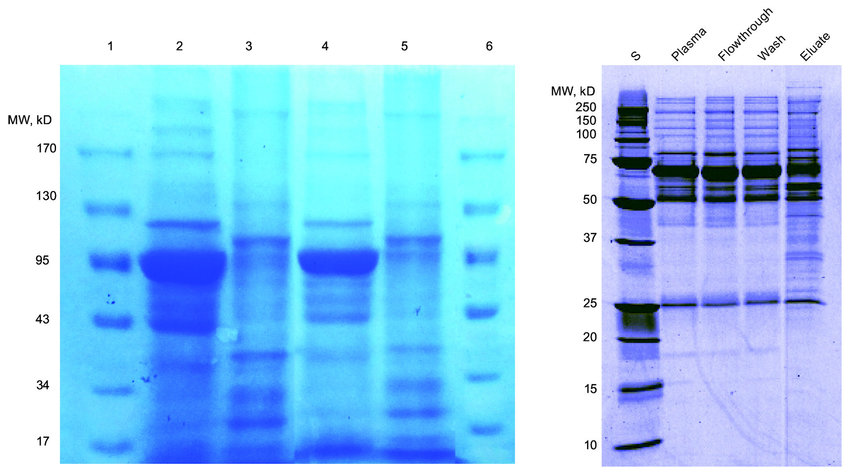
SDS-PAGE electrophoresis for protein size separation remains one of the most trusted and widely applied techniques in modern life science research. In academic laboratories, biotechnology companies, and clinical research facilities, this method plays a central role in understanding protein composition, purity, and molecular weight. When executed correctly, SDS-PAGE provides clear, reproducible data that supports downstream decisions in protein characterization, quality control, and experimental validation.
This article explains how SDS-PAGE works, why it is essential for protein analysis, and how laboratories can apply it effectively for reliable results. It also highlights best practices, common challenges, and when professional analytical services may be the right choice.
Understanding SDS-PAGE Electrophoresis
SDS-PAGE, short for Sodium dodecyl sulfate polyacrylamide gel electrophoresis, is a technique used to separate proteins primarily based on molecular weight. The process relies on two key components: sodium dodecyl sulfate (SDS) and a polyacrylamide gel matrix.
SDS is an anionic detergent that binds uniformly to proteins, disrupting their native structure and imparting a consistent negative charge proportional to their length. This step is critical because it removes variations caused by protein shape or charge, allowing separation to depend almost entirely on size.
The polyacrylamide gel acts as a molecular sieve. When an electric field is applied, smaller proteins migrate through the gel more quickly than larger ones. The result is a pattern of distinct bands, each corresponding to a protein of a specific molecular weight.
Why Protein Size Separation Matters
Protein size separation is fundamental to protein analysis. Knowing the molecular weight of a protein helps confirm its identity, detect degradation products, and evaluate sample purity. SDS-PAGE is often used to:
-
Verify recombinant protein expression
-
Assess purification efficiency
-
Compare protein profiles across samples
-
Detect contaminants or aggregates
-
Support downstream techniques such as Western blotting or mass spectrometry
Because of its reliability and simplicity, SDS-PAGE is often the first analytical step in protein-based workflows.
Key Components of an SDS-PAGE Workflow
An effective SDS-PAGE experiment depends on careful attention to each step of the process. Consistency and preparation are essential for generating interpretable results.
Sample Preparation
Proteins are mixed with SDS sample buffer, typically containing a reducing agent such as beta-mercaptoethanol or DTT. This treatment denatures proteins and breaks disulfide bonds, ensuring complete linearization. Samples are then heated to promote uniform SDS binding.
Gel Casting and Selection
Polyacrylamide gels can be hand-cast or purchased pre-cast. The percentage of acrylamide determines the resolving power of the gel. Lower percentages are suitable for larger proteins, while higher percentages resolve smaller proteins more effectively.
Electrophoresis
Once samples and molecular weight markers are loaded into the gel wells, an electric field is applied. Proteins migrate toward the positive electrode, separating based on size as they move through the gel matrix.
Staining and Visualization
After electrophoresis, proteins are visualized using stains such as Coomassie Brilliant Blue or silver stain. These methods reveal band patterns that can be documented and analyzed.
Interpreting SDS-PAGE Results
Accurate interpretation of SDS-PAGE data is as important as proper execution. Clear, well-defined bands indicate good sample quality and optimal running conditions. Smearing or unexpected bands may signal issues such as protein degradation, overloading, or incomplete denaturation.
Molecular weight markers serve as a reference, allowing researchers to estimate the size of sample proteins. Comparing band positions across lanes can reveal differences in expression levels, purity, or processing.
Applications Across Research and Industry
SDS-PAGE electrophoresis for protein size separation is used across a wide range of scientific fields.
Biomedical Research
In basic and translational research, SDS-PAGE supports studies of protein expression, signaling pathways, and disease-related biomarkers.
Biotechnology and Pharmaceuticals
Biopharmaceutical companies rely on SDS-PAGE for quality control during protein production. It helps confirm product consistency, detect impurities, and support regulatory documentation.
Clinical and Diagnostic Studies
While often combined with immunodetection methods, SDS-PAGE provides the foundational separation needed for protein-based diagnostic assays.
Common Challenges and How to Avoid Them
Even experienced laboratories encounter challenges with SDS-PAGE. Understanding common pitfalls helps maintain data quality.
-
Uneven bands: Often caused by inconsistent gel polymerization or uneven sample loading
-
Smiling bands: Typically due to overheating or uneven voltage distribution
-
Protein degradation: Minimized by using protease inhibitors and proper sample handling
-
Low resolution: Improved by selecting the correct gel percentage and running conditions
Routine optimization and adherence to standardized protocols reduce variability and improve reproducibility.
When to Use Professional Protein Analysis Services
While SDS-PAGE can be performed in-house, some projects demand higher precision, validation, or throughput. In such cases, outsourcing to a specialized laboratory ensures reliable results supported by experienced analysts and validated protocols.
Kendrick Labs Inc is widely recognized for its expertise in protein characterization and electrophoretic analysis. Their experience with complex samples and advanced analytical methods supports researchers who require dependable, publication-ready data.
You can learn more by visiting Kendrick Labs Inc.
The Role of SDS-PAGE in Quality Assurance
SDS-PAGE is not just an analytical tool; it is a quality assurance measure. Consistent banding patterns over time indicate stable processes and reliable sample preparation. Deviations alert scientists to potential issues before they escalate into larger problems.
In regulated environments, documented SDS-PAGE results contribute to traceability and compliance. This makes the technique indispensable in both research and production settings.
Integrating SDS-PAGE with Other Techniques
Although powerful on its own, SDS-PAGE is often paired with complementary methods. Western blotting adds specificity through antibody detection, while mass spectrometry provides detailed molecular identification. Together, these techniques create a robust protein analysis pipeline.
By serving as the foundation for these advanced approaches, SDS-PAGE maintains its relevance even as analytical technologies evolve.
Best Practices for Reliable Results
Achieving consistent, high-quality SDS-PAGE results requires attention to detail and disciplined workflows.
-
Use fresh buffers and reagents
-
Standardize sample concentrations
-
Avoid overloading gel lanes
-
Monitor voltage and temperature during runs
-
Document results thoroughly
These practices help ensure that SDS-PAGE electrophoresis for protein size separation delivers actionable insights rather than ambiguous data.
Why SDS-PAGE Remains Essential
Despite advances in high-throughput and automated technologies, SDS-PAGE remains a cornerstone of protein analysis. Its accessibility, affordability, and interpretability make it a preferred choice for both routine checks and in-depth investigations.
The technique continues to evolve, with improved gels, stains, and imaging systems enhancing sensitivity and ease of use. Yet the fundamental principle—separating proteins by size in a reproducible manner—remains unchanged.
Click for More: Professional Support and Consultation
For laboratories seeking guidance, method optimization, or outsourced analysis, professional support can make a measurable difference. Expert consultation ensures that experimental design aligns with analytical goals and that data interpretation is accurate.
To discuss protein analysis needs, method selection, or project requirements, readers are encouraged to reach out through the contact us page at
Click for more information and connect with specialists who understand the demands of modern protein research.
Final Thoughts
SDS-PAGE electrophoresis for protein size separation continues to be a vital technique across scientific disciplines. Its ability to deliver clear, interpretable information about protein size and purity makes it indispensable for research, development, and quality control.
By following best practices, understanding limitations, and leveraging professional expertise when needed, laboratories can maximize the value of SDS-PAGE and ensure that protein analysis results are both reliable and meaningful.